Maximising Workshop Efficiency with Multi-Station Steelworker Workstations
A multi-station steelworker, or ironworker, combines punching, shearing, notching and bending into one machine. It replaces several standalone machines, saving floor space and cost while keeping cuts and punches precise and repeatable, ideal for fabrication, construction and general manufacturing workshops.
- Punching: clean, precise holes in steel, aluminium and other metals
- Shearing: fast, accurate cuts of sheet, flat bar, round bar and angle iron
- Notching: removing sections for shapes and complex geometries
- Bending / forming: shaping parts to exact specifications
For fabricators handling everything from punching to shearing and bending, having those tools in one place is a real advantage. This is where multi-station steelworkers excel. A single, robust machine that performs a range of essential tasks reliably. At AFM Europe we supply steelworkers built for the demands of modern production, helping workshops in metal fabrication, construction and general manufacturing save both time and cost.
What Is a Multi-Station Steelworker?
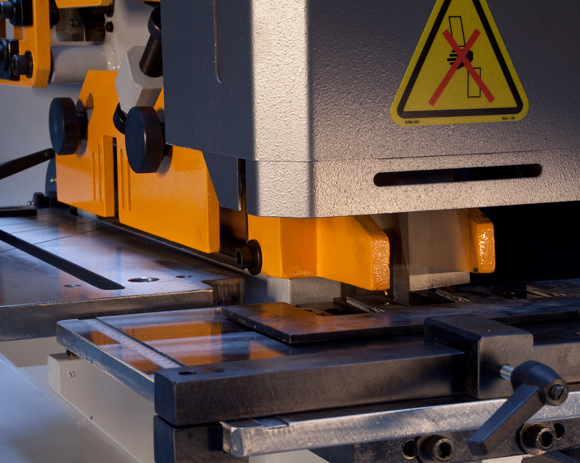
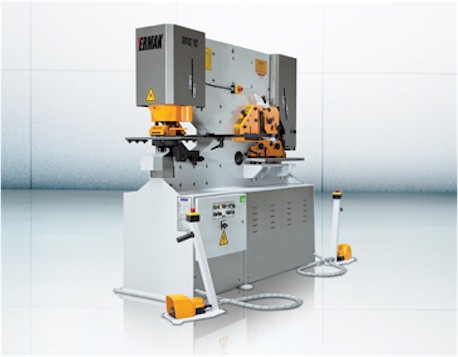
A multi-station steelworker is a versatile metalworking machine that combines several tools into one workstation. By handling multiple tasks in a single unit, it reduces the need for standalone machines and cuts down on both space and cost. Typical steelworkers include stations for punching, shearing, notching and bending. An all-in-one solution that streamlines fabrication and improves productivity.
Key Features of a Multi-Station Steelworker
Punching station: Creates clean, precise holes in steel, aluminium and other metals. Invaluable for punching a variety of hole sizes and shapes quickly and with minimal effort. For workshops that need dedicated punching capability alongside steelworker functions, AFM Europe also supplies CNC Servo Turret Punch Presses.
Shearing station: Cuts sheet metal, flat bar, round bar and angle iron fast and accurately, with consistent cuts that don’t deform or damage the material.
Notching station: Removes small sections of metal to create shapes and angles that are otherwise difficult to achieve, particularly useful for custom metalwork and complex geometries.
Bending and forming: Many steelworkers also shape and form metal to exact specifications, adding flexibility for workshops handling varied jobs.
Advantages of a Multi-Station Steelworker
Increased efficiency: Combining several processes into one machine lets operators move between tasks without switching equipment. This streamlines workflow, reduces downtime and boosts productivity, a significant impact on output in high-demand environments like sheet metal fabrication.
Space saving: Compact yet capable, steelworkers consolidate several tools into one unit, freeing up floor space and making a real difference to workshop layout.
Cost-effective: Buying separate machines for punching, shearing, bending and notching is expensive. A steelworker delivers all of this in one robust machine, and with fewer machines to maintain, service costs drop too, ideal for smaller or growing workshops.
Versatility: A steelworker handles various material thicknesses and sizes, making it versatile enough for diverse jobs, from lightweight aluminium to thicker steel, with consistent performance.
Precision and consistency: Built for reliable, repeatable performance, steelworkers ensure every punch, cut and bend is accurate, minimising waste and rework, which saves time and resources. That matters in precision-critical sectors like aerospace and custom fabrication.
Supported by AFM Europe’s Expertise
As the sole UK distributor for Ermaksan, AFM Europe pairs a comprehensive range of high-quality steelworkers with exceptional after-sales support. Our team makes sure you get the right machine for your needs, backed by expert maintenance and service packages and a strong service background. Whether you’re expanding operations or upgrading existing machinery, from energy-efficient models to advanced automation, we provide the tools and expertise to keep your workshop running smoothly.
Conclusion
A multi-station steelworker is an essential addition to any workshop that values efficiency, precision and cost-effectiveness. By combining key fabrication tasks into one powerful machine, it improves workflow, reduces space requirements and delivers significant cost savings. Whether you work in metal fabrication, construction or aerospace, investing in a steelworker can transform how you operate, letting you deliver high-quality results faster.
Frequently Asked Questions
What is a multi-station steelworker?
A multi-station steelworker, also called an ironworker, is a single machine that combines several metalworking tools, typically punching, shearing, notching and bending. It replaces multiple standalone machines, saving space and cost while keeping operations precise and repeatable.
What can a steelworker machine do?
A steelworker can punch holes of various sizes, shear sheet metal, flat bar, round bar and angle iron, notch sections for custom shapes, and on many models bend and form parts, all from one workstation.
What are the benefits of a multi-station steelworker?
The main benefits are increased efficiency, space saving, lower cost than separate machines, versatility across material thicknesses, and consistent precision with less waste and rework.
What is the difference between a single and twin cylinder steelworker?
A single-cylinder steelworker runs one station at a time, while a twin-cylinder model lets you set up and use two stations independently for higher throughput. See our guide on single vs twin cylinder steelworkers for the full comparison.
Looking for the right steelworker for your workshop? Browse our range of new and used steelworkers, or contact AFM Europe to discuss your needs. Email enquiries@afmeurope.co.uk or call 00 44 1670 735 434.