Which Press Brake is Best for Your Workshop?
The best press brake depends on your work. CNC press brakes give programmable precision for repeat jobs, hybrid models like the Ermaksan EVO III cut energy use while staying accurate, and synchronised hydraulic machines deliver speed and tonnage for heavy production. Match the machine to your material, part size, volume and budget.
If you work with sheet metal, you’ll know that a press brake is one of the most essential machines in your workshop. These machines allow you to bend and shape metal with precision, making them indispensable across industries from automotive manufacturing to bespoke fabrication. But with so many types available, from CNC press brakes to hybrid designs, how do you decide which press brake is best for your needs?
At AFM Europe, we supply some of the most advanced machines on the market, including Ermaksan’s high-performance range. Let’s explore the different types, their features, and how to choose the right one for your business.
What is a Press Brake?
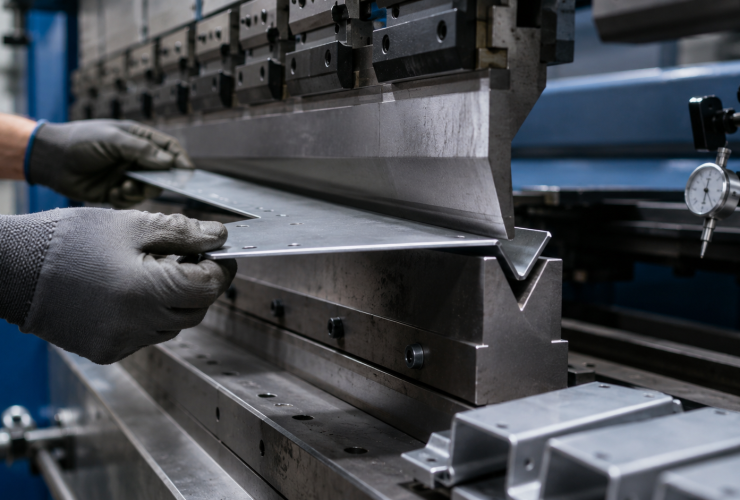
A press brake, sometimes called a brake press, is used to bend sheet and plate material by pressing it between a punch and a die. This process creates accurate bends at the required angles, essential for producing components such as brackets, panels, and frames.
Modern designs go far beyond the basic hydraulic press brake. Today, manufacturers can choose from a variety of models, including CNC press brakes that offer computer-controlled precision, hybrid press brakes that combine hydraulic power with servo-electric efficiency, and high-speed synchronised hydraulic systems for large-scale production.
CNC Press Brakes: Precision at Your Fingertips
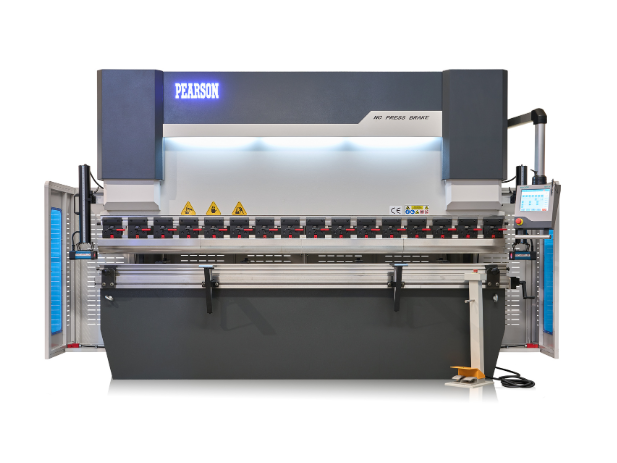
CNC press brakes are designed for accuracy, repeatability, and ease of use. Instead of manually adjusting settings for each bend, operators can program the machine to follow exact specifications.
AFM Europe’s Ermaksan Speed-Bend and Power-Bend Pro series deliver high-speed, synchronised bending with CNC control for consistent results. These machines suit workshops where accuracy and efficiency are key, whether that’s small-batch specialist fabrication or continuous production runs.
CNC technology also means you can store and recall programs, making repeat jobs faster and helping reduce set-up time. Browse AFM Europe’s new CNC press brakes or view our range of used press brakes.
Hybrid Press Brakes: The Best of Both Worlds
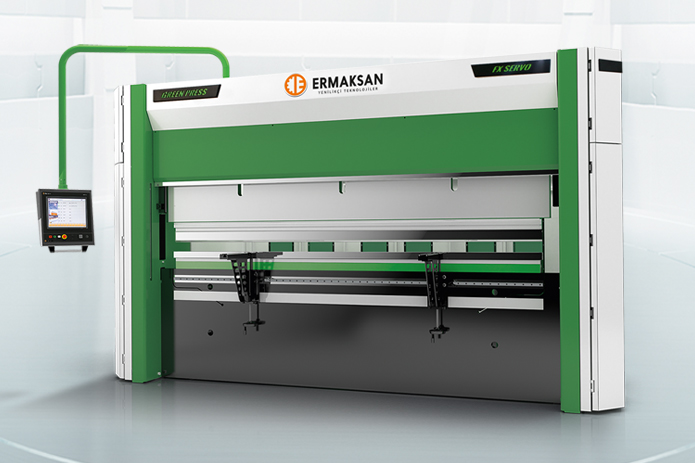
Hybrid press brakes, such as the Ermaksan EVO III, combine the reliability of hydraulic systems with the energy efficiency of servo-electric drives.
Unlike traditional hydraulic machines, the EVO III only uses energy when actively bending. This can result in up to 60% energy savings, reduced oil usage, and a longer lifespan for components. It also delivers excellent bending accuracy, even on small parts, making it a strong choice for businesses looking to cut running costs without compromising quality.
Synchronised Hydraulic Press Brakes: Built for Speed and Strength
For heavy-duty applications, the synchronised hydraulic press brake is a dependable option. Ermaksan’s Speed-Bend series offers high free-fall, bending, and return speeds, allowing for much faster production than conventional models.
These machines are ideal for workshops that need both high tonnage capacity and quick turnaround times, for example manufacturing structural components or handling thicker materials. With robust build quality, precision tooling, and advanced back-gauge systems, they’re designed for long-term reliability.
Other Options to Consider
While CNC, hybrid, and synchronised hydraulic systems are the most popular, there are other press brake types worth considering:
- Manual or mechanical press brakes: basic models for smaller workshops and occasional bending work.
- Servo-electric press brakes: highly energy-efficient and quiet, suited to thinner materials and detailed work.
- Heavy-duty tandem press brakes: two machines working together to handle extra-long or complex parts.
Choosing the Right Press Brake for Your Needs
When selecting a press brake, it’s worth considering:
- Material type and thickness: heavier materials require more tonnage and robust hydraulic systems.
- Part size and complexity: CNC and hybrid models handle intricate designs and multiple bends well.
- Production volume: high-speed synchronised hydraulic machines are suited to continuous production.
- Energy efficiency goals: hybrid press brakes and servo-electric models help reduce running costs.
- Budget and long-term value: advanced models may cost more initially but can offer savings in time, labour, and energy over their lifespan.
Why Choose AFM Europe for Your Press Brake?
At AFM Europe, we know that choosing the right press brake is an important decision. We take the time to understand your requirements before recommending the most suitable option, whether that’s a compact CNC press brake for smaller parts, a high-speed synchronised hydraulic press brake for demanding production, or an energy-saving hybrid press brake.
Our Ermaksan machines are built from high-strength monoblock steel for durability. With options like 3D touch-screen controls, advanced safety systems, and a full range of tooling, from acute angle dies to hemming dies, we can provide a press brake that delivers accuracy, speed, and reliability. AFM Europe also provides support and servicing to help keep your machinery performing reliably.
Final Thoughts
Investing in the right press brake can make a significant difference to your workshop’s output, improve efficiency, and open the door to new opportunities. Whether you prioritise speed, energy efficiency, or precision, there’s a model in our range to meet your needs.
To find the best fit for your production requirements, get in touch with the AFM Europe team and take the next step towards faster, more accurate, and cost-effective metal bending.
Frequently Asked Questions
Which press brake is best for your workshop?
It depends on your work. CNC press brakes suit accuracy and repeatable jobs, hybrid models reduce energy use while keeping precision, and synchronised hydraulic machines handle speed and high tonnage for heavy production. Match the machine to your material, part size, production volume, energy goals and budget.
What is the difference between a CNC and a hybrid press brake?
A CNC press brake offers computer-controlled precision and program recall for repeatable bends. A hybrid press brake combines hydraulic power with servo-electric drives, so it only uses energy when actively bending, improving efficiency without losing accuracy.
How do I choose the right press brake tonnage?
Match tonnage to your material type and thickness. Heavier and thicker materials need more tonnage and a robust hydraulic system, while thinner, detailed work suits lower-tonnage CNC or servo-electric machines.
Are hybrid press brakes more energy efficient?
Yes. Hybrid models only draw energy when bending, which can deliver up to 60% energy savings on machines like the Ermaksan EVO III, along with reduced oil use and longer component life.
Looking for the right press brake for your workshop? Browse AFM Europe’s new CNC press brakes and used press brakes, or contact AFM Europe to discuss your requirements. Email enquiries@afmeurope.co.uk or call 00 44 1670 735 434.